
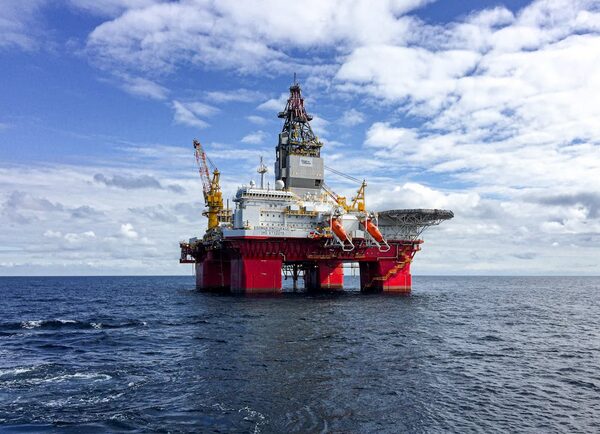
Oil and gas prices move like a roller coaster, sometimes thrilling, other times stomach-churning. A sudden drop in oil prices can shrink profits overnight, even for well-performing wells. While market rebounds happen, the timing is unpredictable and can impact cash flow for months or even years. That’s why going in with realistic expectations is better than wearing rose-tinted glasses.
Operational Risks Lurk Below the Surface
Drilling for oil isn’t just about striking black gold: it’s a high-stakes operation. Equipment failure, drilling errors, or mismanaged sites can lead to significant delays or even total project shutdowns. Such setbacks can drain resources quickly and dent investor confidence. Even with experienced operators, accidents happen. Bad weather, unexpected geological issues, and human mistakes are part of the game. Knowing the operational history of the team running the project can give you a better idea of what you’re walking into, and it’s a step that many overlook in the excitement of potential profits.
Market Volatility Can Shake Returns
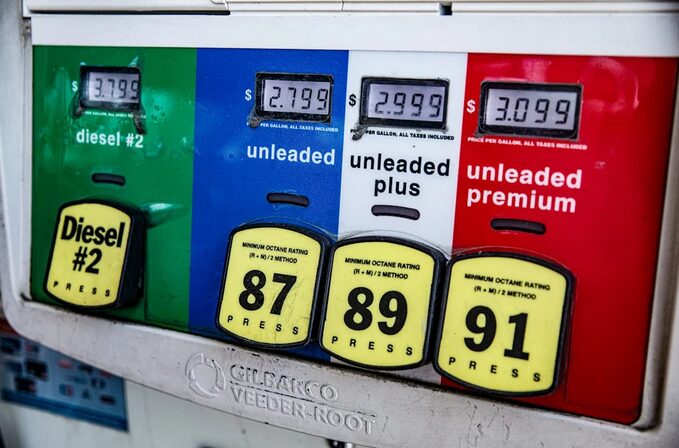
Investors looking for alternative opportunities often stumble upon direct participation in oil and gas investments as a potential goldmine. On paper, these programs promise steady cash flow, tax advantages, and a slice of real energy projects. But these investments carry risks that can’t be brushed under the rug. They require a mindset that blends optimism with caution. On the flip side, when prices surge, returns can look impressive. The trouble is that high doesn’t always last, and new investors can be caught off guard when the market dips again. Planning for both peaks and valleys is non-negotiable, and having a backup plan is a wise move.
Regulatory Changes Can Tilt the Playing Field
Oil and gas projects must dance to the tune of environmental regulations, tax policies, and government oversight. A single legislative shift can impact profitability or even halt operations. These changes are often beyond the control of investors and operators, which adds another layer of unpredictability. Keeping tabs on policy discussions can help anticipate potential shifts. While you can’t influence the law, being informed lets you react faster if conditions change. Think of it as checking the weather forecast before sailing. You may still face storms, but at least you won’t be blindsided.
Liquidity Isn’t a Given
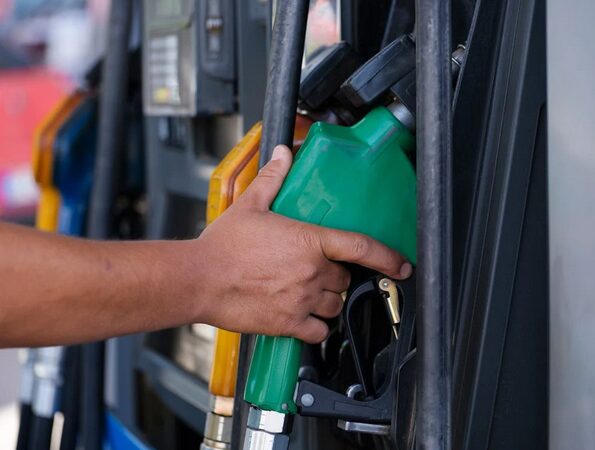
One of the most overlooked aspects of direct participation programs is how illiquid they are. Unlike stocks, you can sell at the click of a button, these investments often lock up capital for years. If you need quick access to your funds, you could be stuck waiting until the project reaches its conclusion. This means investors should commit only capital they can afford to leave untouched.
Strong Structures Balance Risk With Strategy
The potential for strong returns is real, but so are the hazards. Doing homework on the operator’s track record, understanding the geological data, and examining the financial structure can help manage those risks. An investment like this works best as part of a diversified portfolio, where losses in one area don’t sink the entire ship.
Oil and gas direct participation programs can be exciting ventures, but they’re not for the faint of heart. Enter with eyes wide open, a solid plan, and the mindset that you’re in it for the long haul. Approach them with careful evaluation, and you stand a better chance of turning potential pitfalls into lasting rewards.